
 New Products
 Earth-Friendly Products
 Biotium Choice Antibodies
 Special Offers
 Quick Order Tool





Content #1
Content #1
Content #1
Novel lipophilic fluorescent dyes for selective staining of the plasma membrane in formaldehyde-fixed cells. Available in 6 colors, from blue to near-IR.
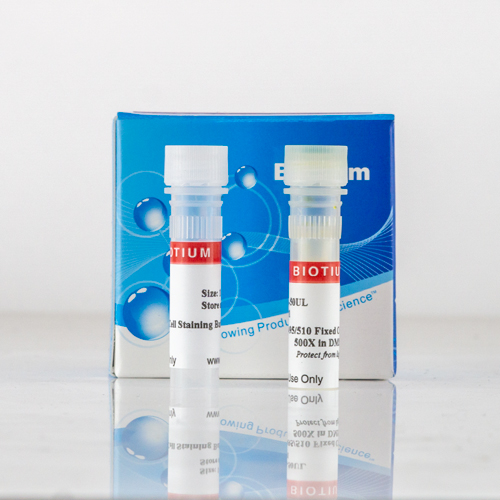
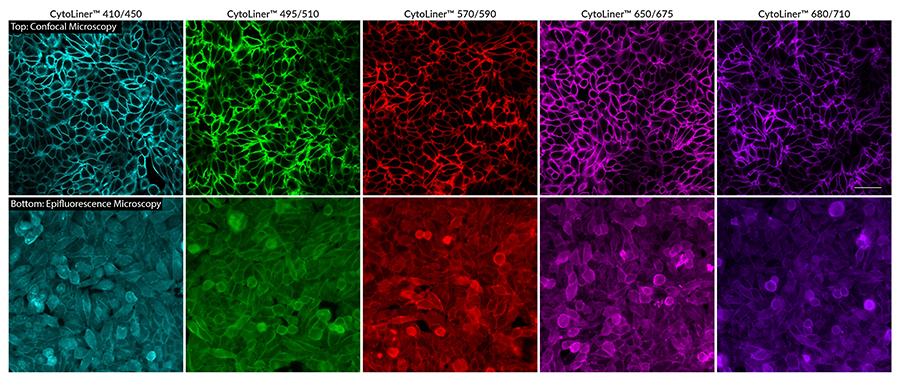
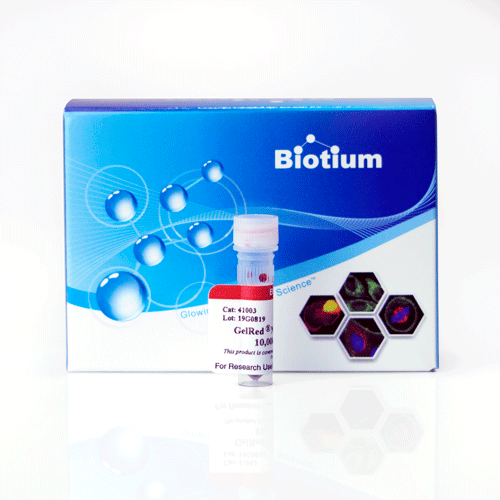
CytoLiner™ Fixed Cell Membrane Dyes are novel lipophilic fluorescent dyes developed specifically for selective plasma membrane staining in fixed cells for microscopy. The dyes are engineered for robust and consistent staining of formaldehyde-fixed cells, and are suitable for downstream immunofluorescence staining protocols.
Note: Staining with CytoLiner™ Dyes is not compatible with cells fixed using solvents like methanol or acetone, or with paraffin-embedded samples, because these treatments will remove the lipids from cells, which are required for CytoLiner™ staining. For co-staining with antibodies, we recommend staining with CytoLiner™ Dye first, then blocking with 2% fish gelatin in PBS, followed by antibody incubation in the same buffer. Blocking with BSA or serum is not recommended.
While classic lipophilic membrane dyes like DiI can be used to stain formaldehyde-fixed cells, staining can be highly variable due to the poor solubility of the dyes. CytoLiner™ Dyes are a new generation of membrane dyes uniquely engineered to permit selective staining of the plasma membrane in fixed and mildly permeabilized cells. CytoLiner™ staining is compatible with formaldehyde fixation and mild detergent permeabilization before staining. Staining can tolerate blocking agents used during immunofluorescence staining protocols, although fish gelatin is recommended for best results, allowing subsequent staining with antibodies and other probes. The dyes also are compatible with poly-L-lysine coated cultureware and Transwell® permeable filter supports. CytoLiner™ Dyes are available in a selection of 6 colors from blue to near-IR.
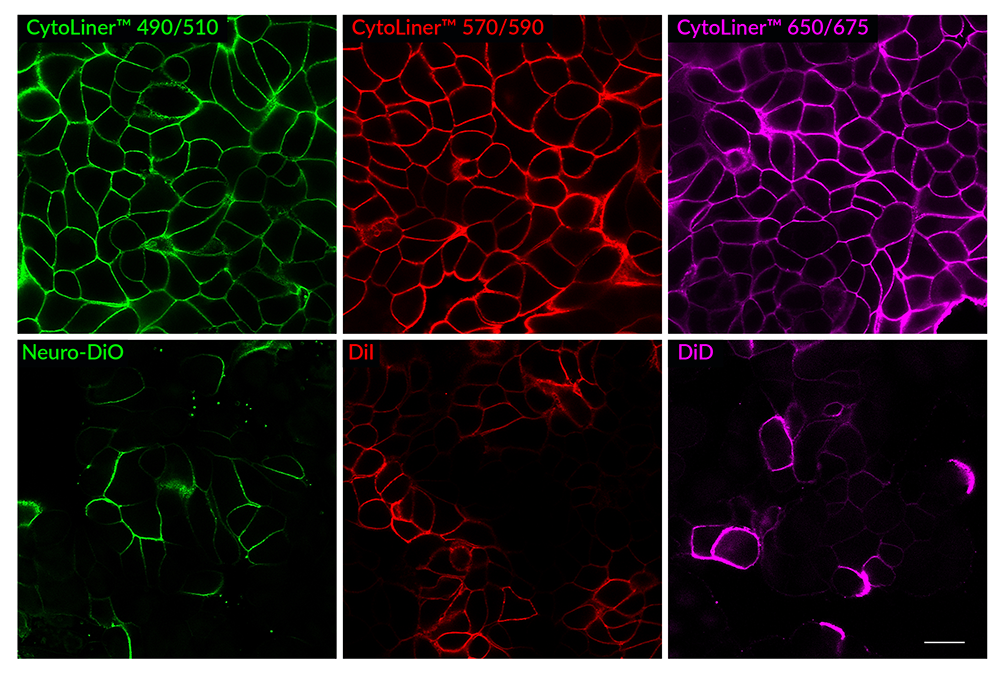
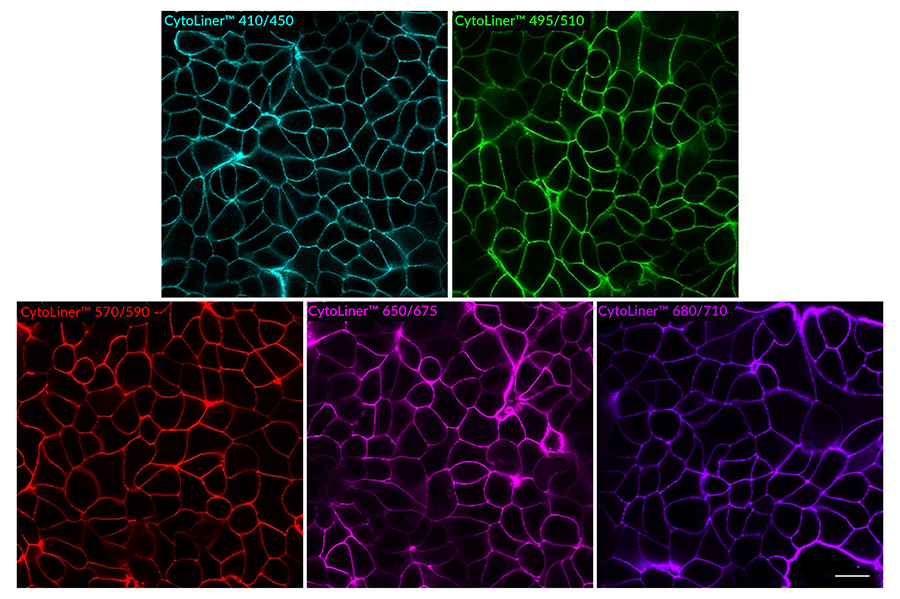
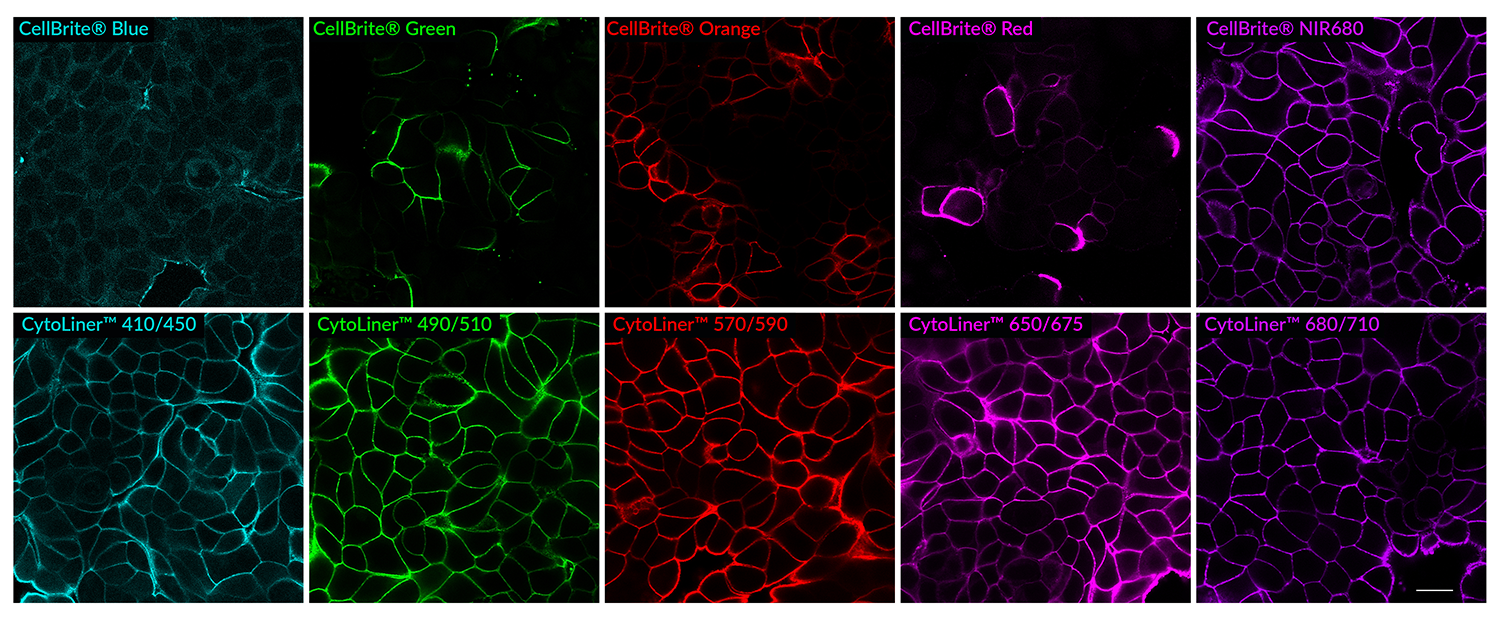
Comparison of fixed cell staining with CytoLiner™ Fixed Cell Membrane Stains versus classic lipophilic carbocyanine membrane dyes. In comparison to the traditional lipophilic carbocyanine dyes, CytoLiner™ dyes show more uniform and reliable staining of PFA-fixed, mildly-permeabilized cell membranes. PFA-fixed MCF7 cells were permeabilized for 10 minutes at RT with PBS/0.1% Triton® X-100, then rinsed with PBS and stained with carbocyanine dyes in PBS or CytoLiner™ Stains in 1X CytoLiner™ Buffer for 10 minutes at RT, then rinsed with PBS. Imaged by confocal microscopy; scale bar: 20 um.
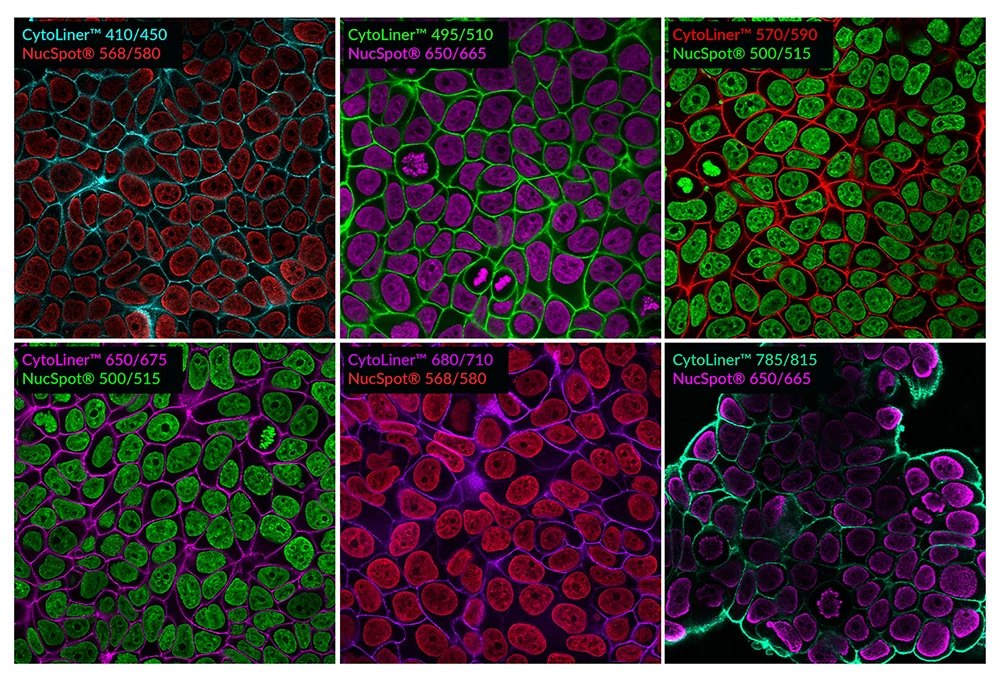
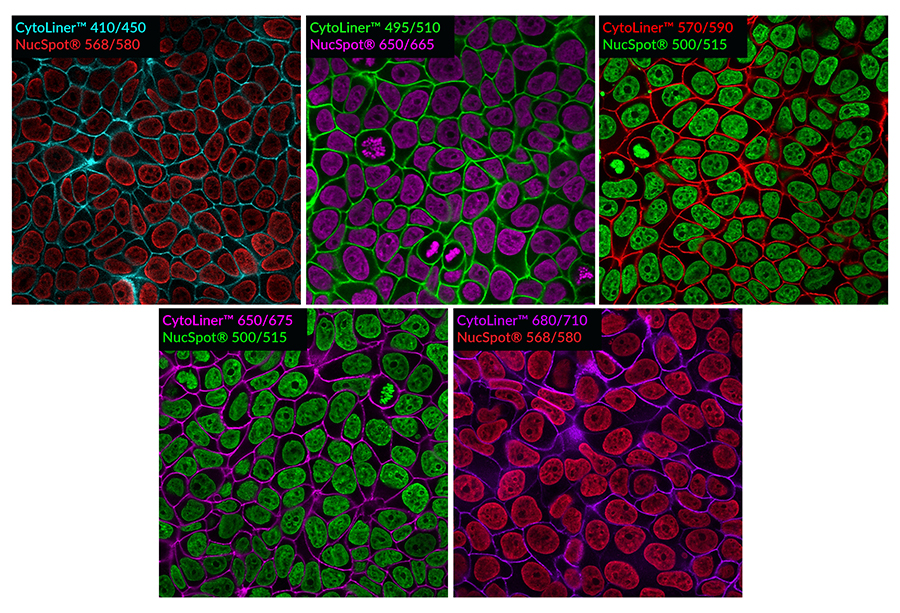
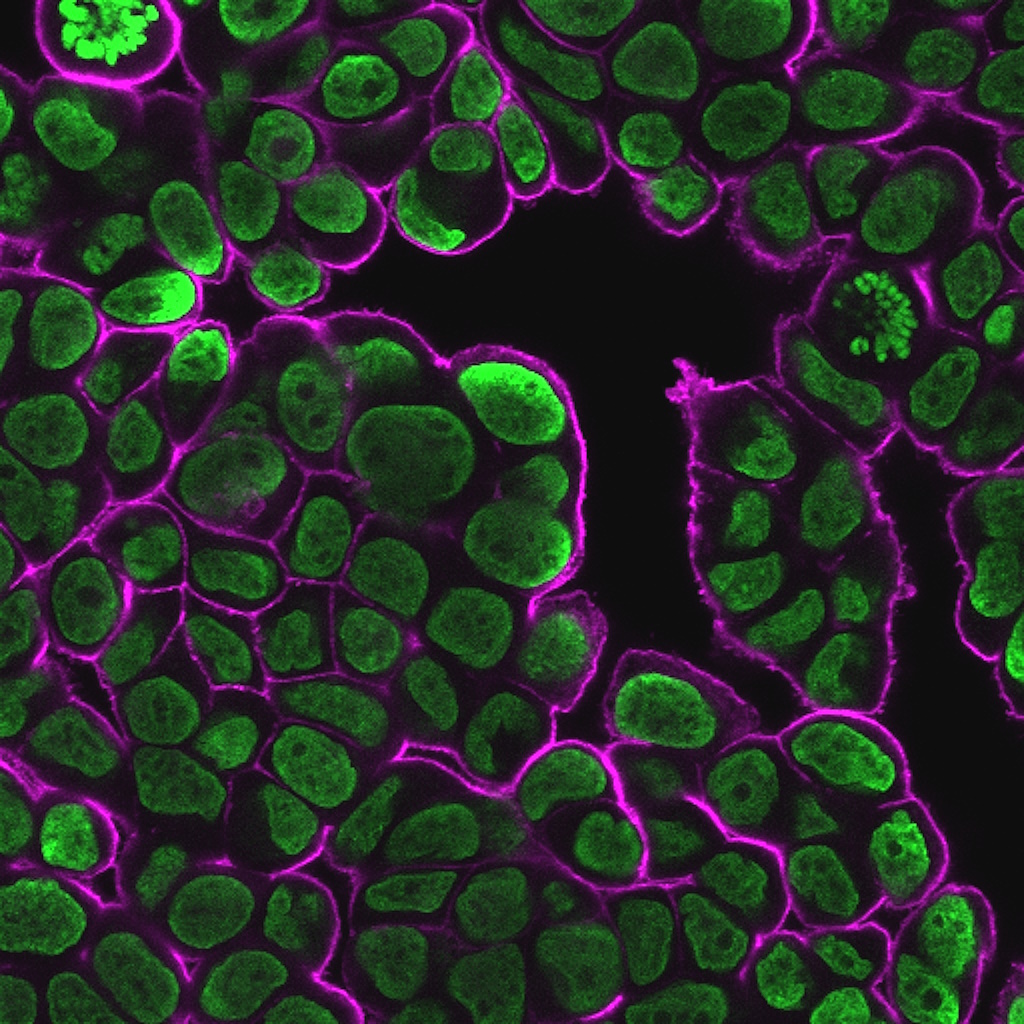
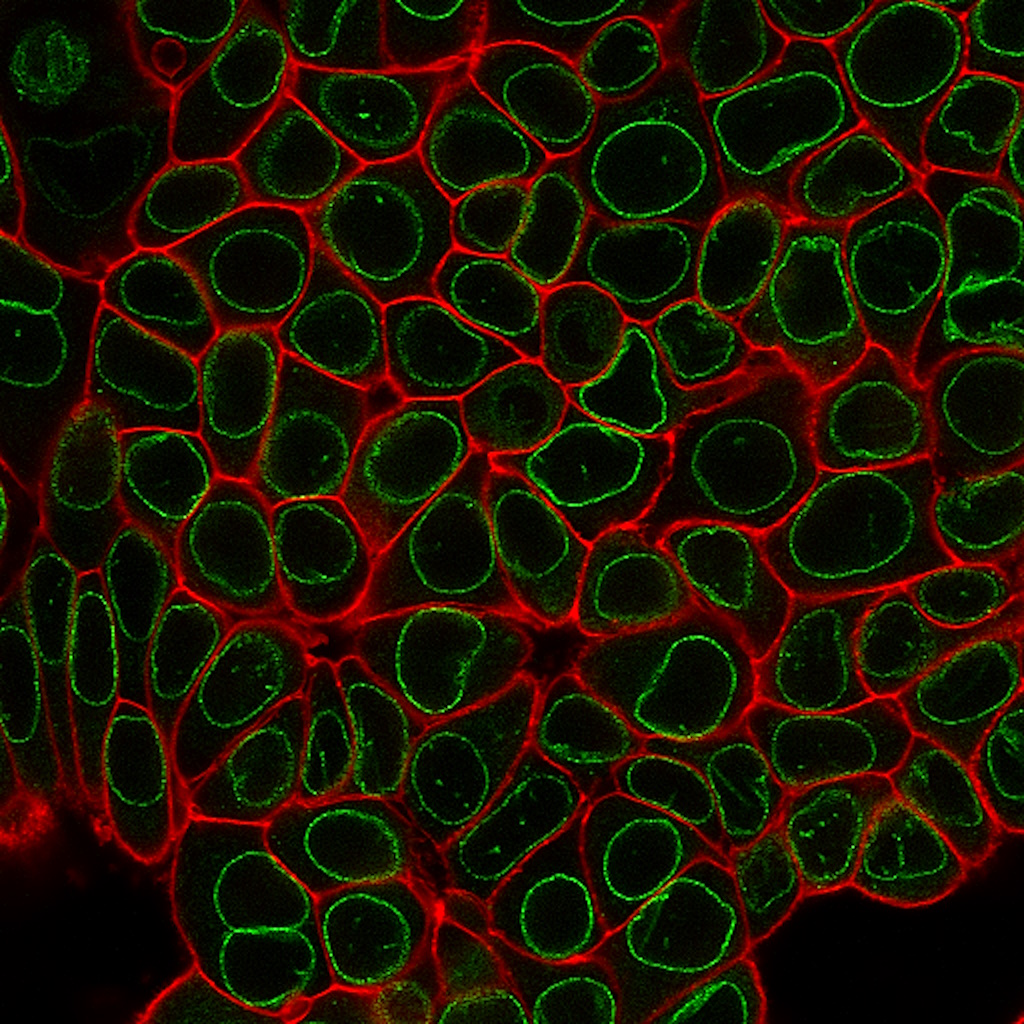
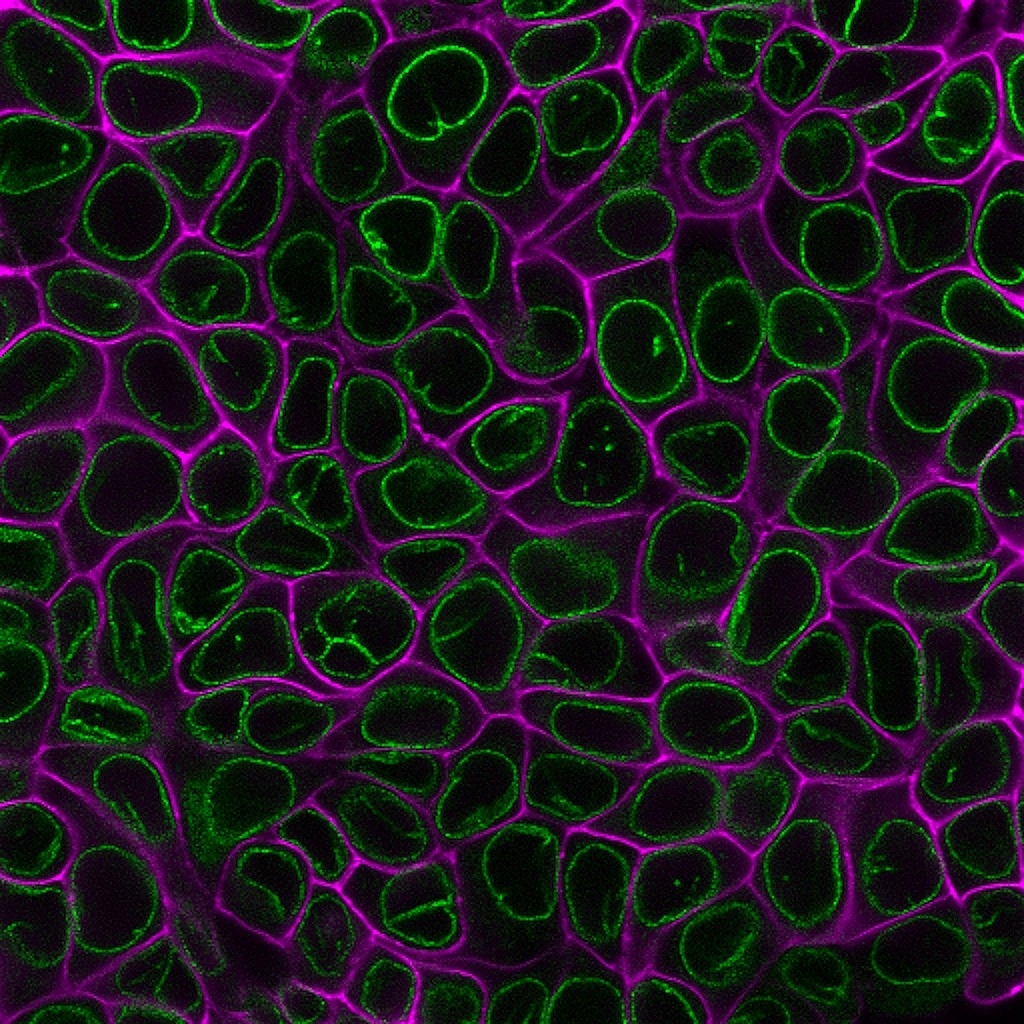
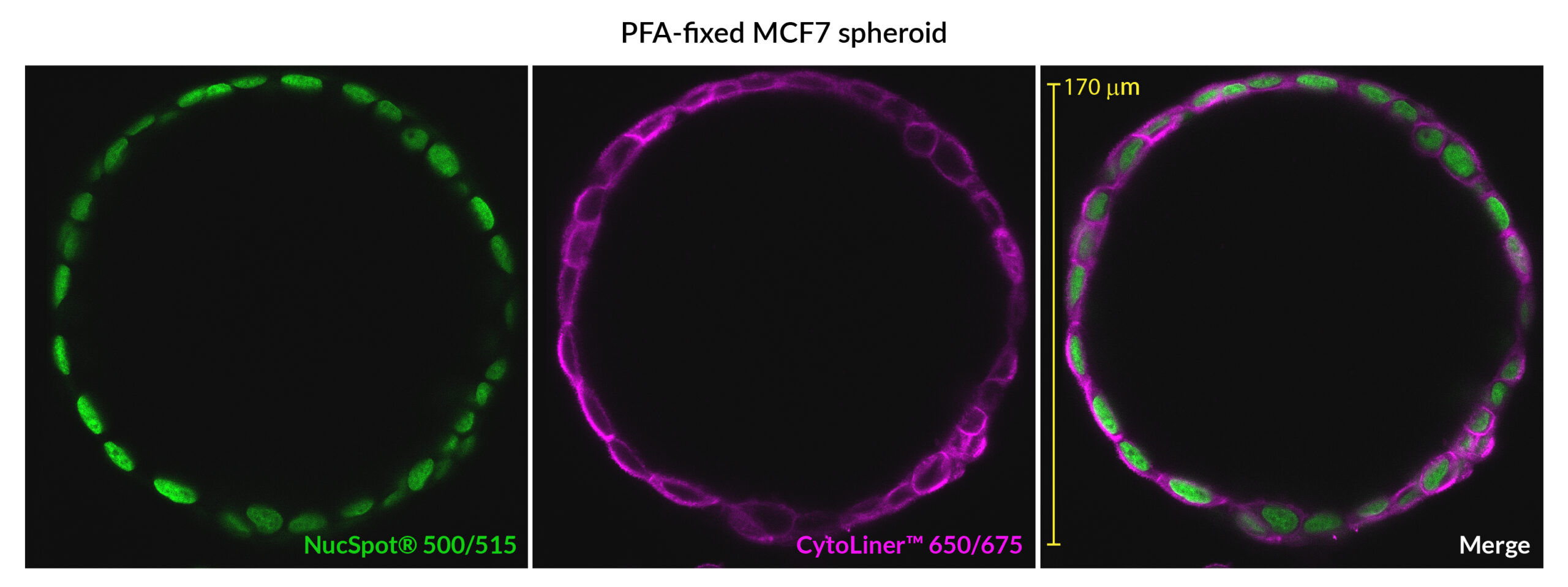
PFA-fixed MCF-7 cells were permeabilized with PBS/0.1% Triton® X-100 for 10 minutes at room temperature, then stained with 1X CytoLiner™ Fixed Cell Membrane Dyes and NucSpot® Nuclear Stains.
CytoLiner™ Dyes are part of Biotium's family of unique and innovative cell membrane stains designed for specific applications. For workflows requiring staining live cells before fixation, we recommend our CellBrite® Fix Membrane Stains or MemBrite® Fix Cell Surface Staining Kits. Biotium also offers CF® Dye conjugated lectins, including Concanavalin A (Con A) and Wheat Germ Agglutinin (WGA), for visualizing cell surfaces in live or fixed cells. For longer term monitoring of cell surfaces in live cells, we recommend CellBrite® Steady Dyes. To find the right stain for your application, see our Membrane & Cell Surface Stains Comparison, or download our Membrane & Surface Stains Brochure.
Watch our video where Technical Applications Scientist II, Jacqueline Steenhuis PhD answers your top questions about Biotium's various membrane stains for fluorescence microscopy.
For additional support or product recommendations, contact us at [email protected].
| Product | Ex/Em | Detection Channels | Size | Catalog Number |
|---|---|---|---|---|
| CytoLiner™ 410/450 | 406/446 nm | DAPI/Pacific Blue™ | 250 Labelings | 30131-T |
| 1000 Labelings | 30131 | |||
| CytoLiner™ 495/510 | 492/510 nm | FITC | 250 Labelings | 30132-T |
| 1000 Labelings | 30132 | |||
| CytoLiner™ 570/590 | 573/592 nm | Cy®3/TRITC | 250 Labelings | 30133-T |
| 1000 Labelings | 30133 | |||
| CytoLiner™ 650/675 | 647/674 nm | Cy®5 | 250 Labelings | 30134-T |
| 1000 Labelings | 30134 | |||
| CytoLiner™ 680/710 | 682/707 nm | Cy®5.5 | 250 Labelings | 30135-T |
| 1000 Labelings | 30135 | |||
| CytoLiner™ 785/815 | 787/819 nm | Alexa Fluor® 790 | 250 Labelings | 30140-T |
| 1000 Labelings | 30140 |
Advances in gene therapy increasingly depend on understanding how viral vectors behave within complex, multilayered human tissues. While retinal organoids serve as a powerful model for studying AAV efficacy, their dense, light-scattering architecture has historically limited the ability to visualize and quantify transduction at single-cell resolution. Conventional nuclear stains suffer from rapid photobleaching, cytotoxicity, and shallow imaging depth which hinder repeated live imaging and prevent accurate 3D cell segmentation throughout the organoid. Conventional membrane dyes also pose challenges for staining organoids due to poor penetration, uneven labeling, and rapid internalization by endocytosis.
In a 2025 Small Methods publication, Rogler et. al. developed a longitudinal imaging and deep-learning pipeline to map single-cell AAV transduction dynamics in intact human retinal organoids. This approach required robust and photostable live-cell stains compatible with deep (>100 µm) confocal imaging and repeated imaging over many days. To meet this need, the authors selected Biotium’s far-red NucSpot® Live 650 Nuclear Stain, which provides bright, uniform labeling with minimal phototoxicity and exceptional light penetration compared to blue- or green-excitable DNA dyes. CellBrite® Steady 550, a unique stain for long-term labeling of membranes in live cells, was also used for manual quantification of transduced cells to gauge the performance of their deep-learning method.
Using NucSpot® Live 650, the team captured high-contrast 3D nuclear signals across entire organoids and enabled the use of Cellpose, a deep-learning segmentation algorithm. Paired with GFP-expressing AAV reporters, this allowed precise quantification of transduced cells, as well as quantification of how transduction patterns evolve over time and spatial depth.
The end result revealed heterogeneous AAV penetration profiles, cell-type-specific susceptibility, and spatial gradients of transduction that would have been obscured using conventional methods. Biotium’s NucSpot® Live 650 Nuclear Stain and CellBrite® Steady 550 Membrane Stain enabled high-fidelity, longitudinal imaging in thick living tissues, making quantitative AAV mapping in 3D retinal models possible.
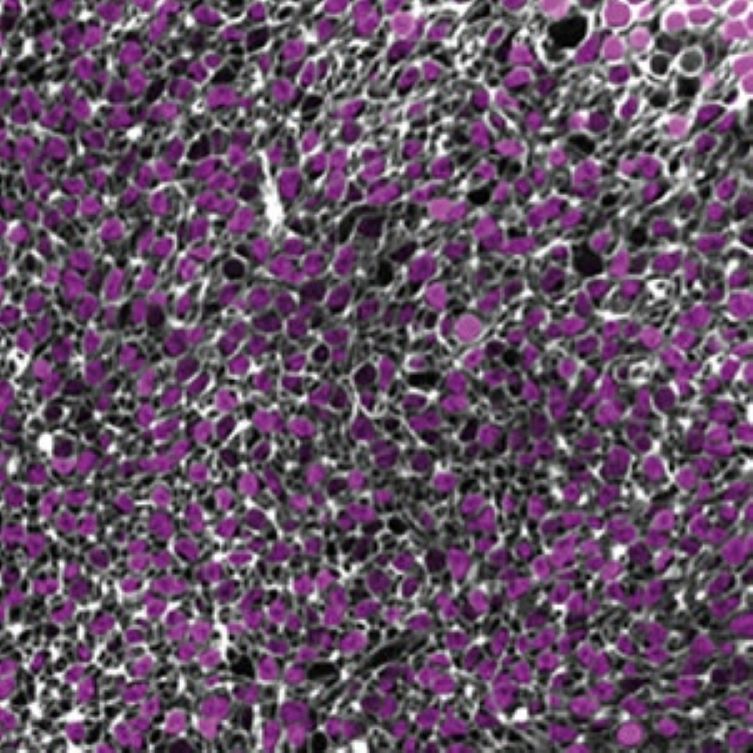
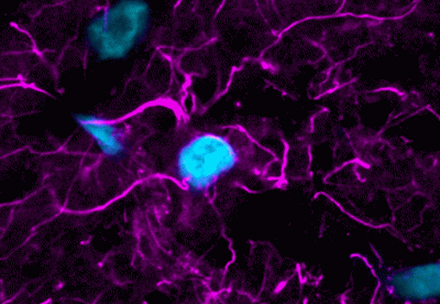
Confocal image of the center plane of the 3D stack of a 264 days old human retinal organoid without virus, stained with NucSpot Live 650 (magenta) and CellBrite Steady 550 (white). Credit: Rogler et al., Small Methods (2025). Reproduced under CC BY 4.0.
Biotium offers an extensive portfolio of bright and specific nuclear and membrane stains, with color options in the near-infrared for deep imaging. View our full selection of cell stains compatible with organoids and other 3D cultures.
Full Citation:
Rogler, T. S., Salbaum, K. A., Brinkop, A. T., Sonntag, S. M., James, R., Shelton, E. R., Thielen, A., Rose, R., Babutzka, S., Klopstock, T., Michalakis, S., & Serwane, F. (2025). 3D quantification of viral transduction efficiency in living human retinal organoids. Small Methods, 2025 Jun 12, e2401050. https://doi.org/10.1002/smtd.202401050
While CellBrite® Cytoplasmic Membrane Dyes can stain formaldehyde-fixed cells, they generally do not give good results in cryosections, possibly because the cell membrane integrity is disrupted, exposing other membrane structures to the dyes. Some customers have reported success using these dyes with vibratome sections.
CellBrite® Cytoplasmic Membrane Dyes are not suitable for membrane staining in FFPE samples as membrane lipids are extracted during the dewaxing and rehydration process. Similarly, acetone or methanol fixation of cryosections will extract lipids, leading to poor staining.
CellBrite® Fix, MemBrite® Fix, and CellBrite® Steady are recommended for use on live cells only. In fixed cells or sections they will label intracellular structures.
In some tissue types, lectins such as CF® Dye WGA Conjugates, CF® Dye Concanavalin A Conjugates, or CF® Dye PNA Conjugates may be useful for staining cell boundaries in FFPE or frozen sections. However, the staining pattern of lectins is highly dependent on cell and tissue type, so we recommend consulting the literature before trying these stains for your tissue of interest.
Alternatively, immunostaining using cell surface-specific antibodies could be done.
So far we have not found a universal plasma membrane stain for tissue sections. This is an application of interest to us and our customers, so we are working to find new solutions.
CellBrite® Cytoplasmic Membrane Dyes are too prone to aggregation to efficiently stain EVs. Some of the CellBrite® Fix, MemBrite® Fix, and CellBrite® Steady dye options have been reported for this application, however we do not recommend them. For optimal staining of exosome membranes we recommend our ExoBrite™ True EV Membrane Stains, which are novel lipophilic membrane dyes specifically designed and optimized for efficient staining of EV membranes with minimal dye aggregation. See our Extracellular Vesicle Research page for more information about our complete line of EV stains and antibodies.


Content #1
Content #1
Content #1
Content #2
Content #3